


 DVI cable and adapter
VGA cable and adapter
AV cables
cable without plugs
AUX cable
AV cable
B&O audio cable
Multi channel audio cable
Subwoofer audio cable
Turntable audio cable and plugs
Analogue audio distribution and convertion
Colored ethernet cables
Power cable without connectors
Power connector / plug
Power adaptor
Low voltage DC cable, plug and adapter
12V trigger cable
DC cables
Solar cables
DC plugs
SATA power cable
Molex power cable
Remote control
DVI cable and adapter
VGA cable and adapter
AV cables
cable without plugs
AUX cable
AV cable
B&O audio cable
Multi channel audio cable
Subwoofer audio cable
Turntable audio cable and plugs
Analogue audio distribution and convertion
Colored ethernet cables
Power cable without connectors
Power connector / plug
Power adaptor
Low voltage DC cable, plug and adapter
12V trigger cable
DC cables
Solar cables
DC plugs
SATA power cable
Molex power cable
Remote control


 |
COMPOSITE VIDEO KABEL |
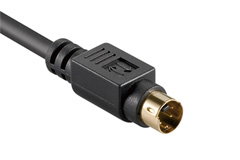 |
S-VIDEO CABLE AND PLUGS |
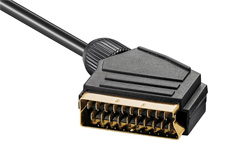 |
SCART CABLE AND PLUGS |
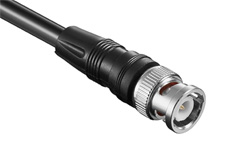 |
SDI CABLE AND PLUGS |
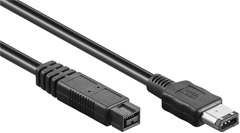 |
FIREWIRE (DV) CABLE |
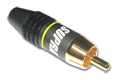 |
AV PLUG AND CONNECTOR |
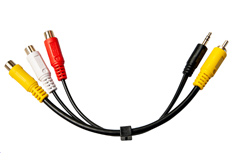 |
AV ADAPTER AND CONVERTER |














































AV-Connection A/S • VAT no.: DK27907547 • Kaervej 71-73 • 6400 Soenderborg • Denmark • Tel. +45 7442 1078 • E-mail: [email protected]


 HIFI STEREO