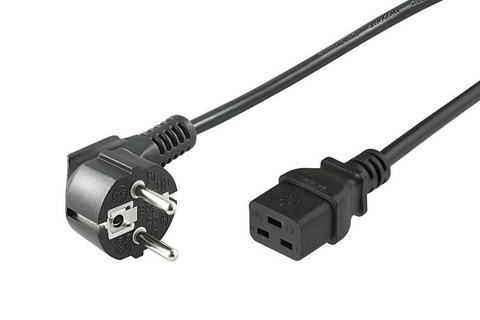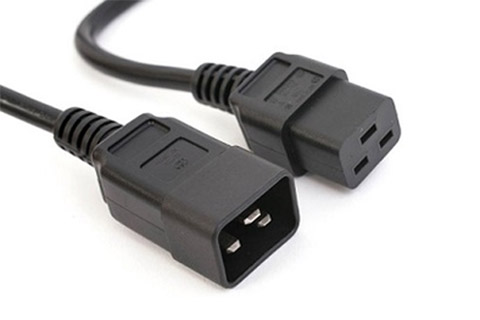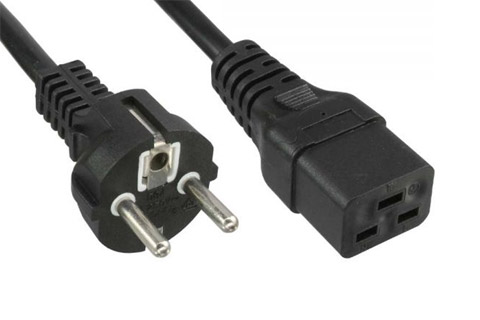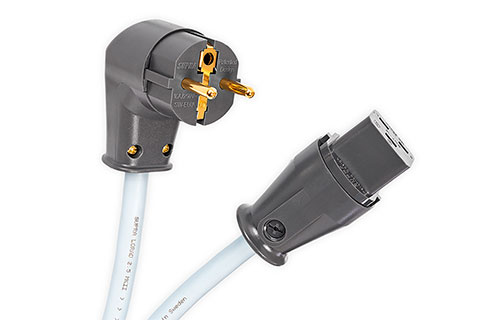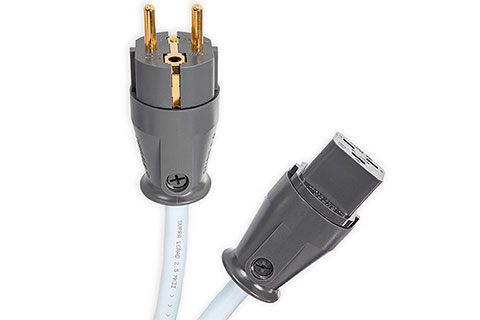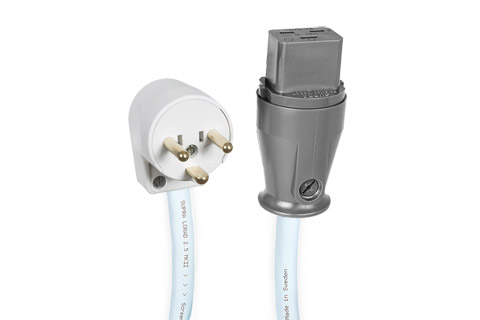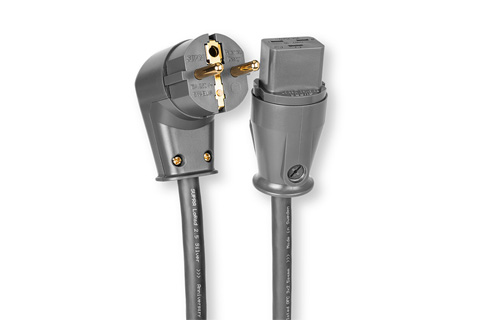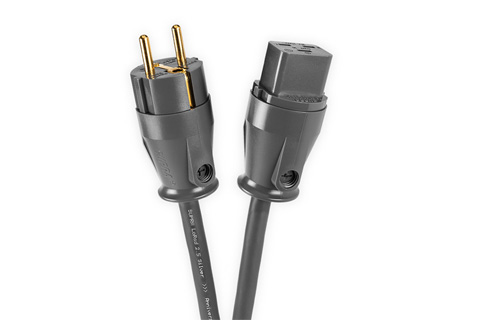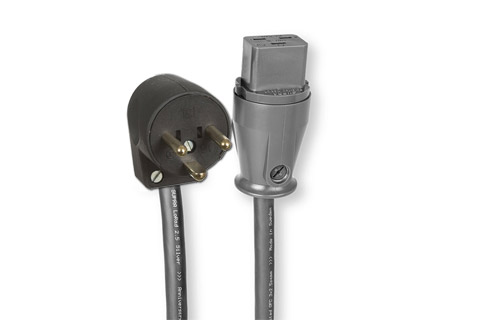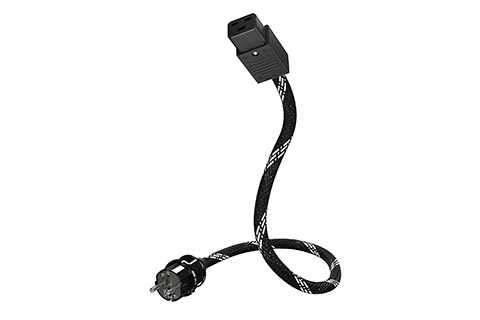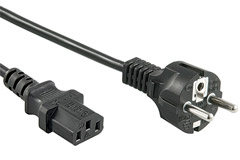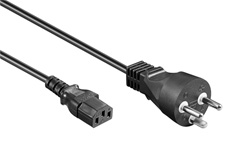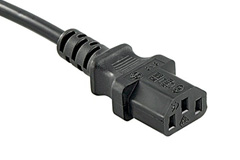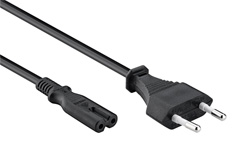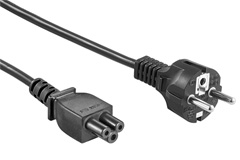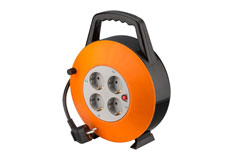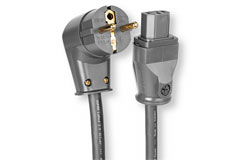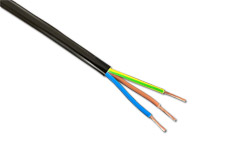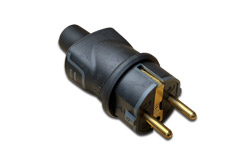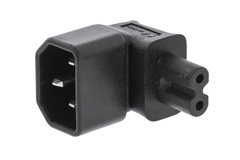



A power cable with a 16A appliance plug is the ideal solution when you need to power devices with high electricity consumption. In Danish homes and installations, outlets are typically rated for 10A, 13A, or 16A, which indicates the maximum current the outlet can handle. A 10A outlet supports up to 2300 watts, a 13A up to 2990 watts, and a 16A outlet can deliver a full 3680 watts at 230 volts. This makes 16A power cables the perfect choice for connecting high-power equipment or machines that require extra energy to operate optimally.

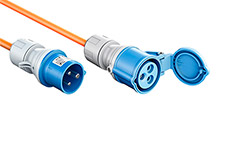
In addition to use in regular households with single-phase installations, 16A appliance plugs can also be used in more demanding environments. A 16A CEE plug is often seen in professional or industrial settings, where it can be part of both 230 volt and 400 volt systems. In three-phase 400 volt installations, it can typically deliver up to 11 kilowatts, making it ideal for construction sites, festivals, and larger machinery setups. This high capacity requires that sockets, fuses, and cable routing are all correctly dimensioned to ensure the system remains safe and durable.
Although a 16A cable can carry a lot of current, it is not recommended to operate it at full load continuously. Prolonged maximum load can lead to heat buildup that wears down both the cable and connection points. It's crucial to choose cables with the proper conductor size, typically 2.5 mm² or more, and ensure proper ventilation around the equipment and connections. When used correctly, 16A power cables offer both flexibility and reliability for everything from household devices to industrial machines.
Consumers often ask about the differences between 10A, 13A, and 16A cables and which one suits their needs. A common question is whether a 16A cable can be used in a caravan, and the answer is yes, especially since many caravan installations use CEE 16A for both 230 volt and three-phase 400 volt setups.
16A cables are designed to deliver electricity safely to high-consumption equipment such as power tools, heating systems, compressors, or larger ovens. They are widely used in homes, industries, and mobile power setups like festival grounds or campsites. With a properly configured system, they provide maximum performance without compromising safety. Just follow the installation requirements and avoid constant overload. The result is a reliable, long-lasting solution that meets both current and future power needs.