

 HIFI STEREO








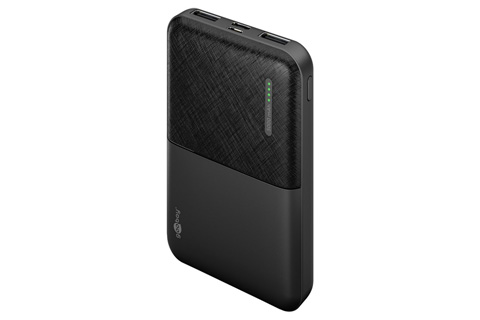

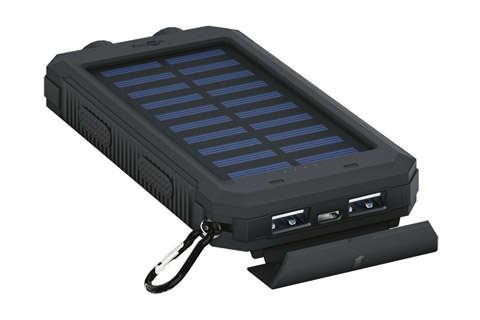
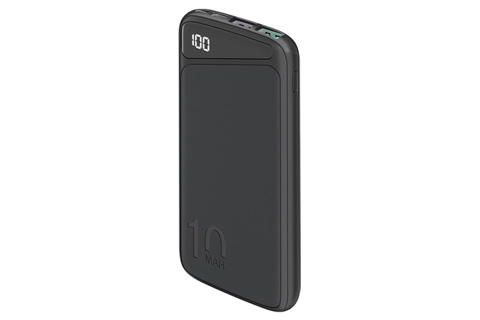


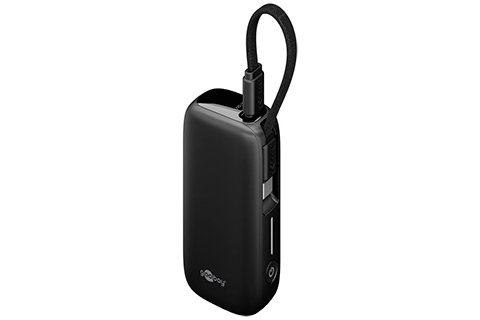
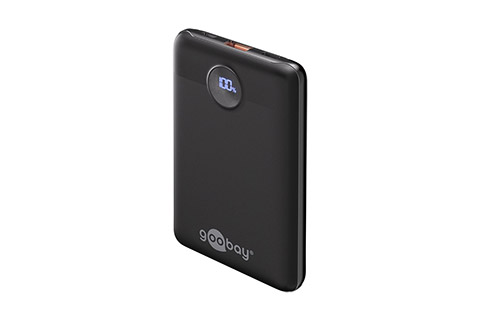
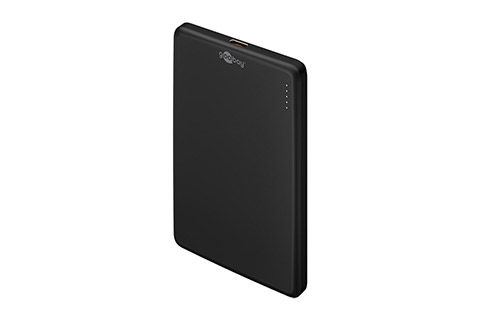

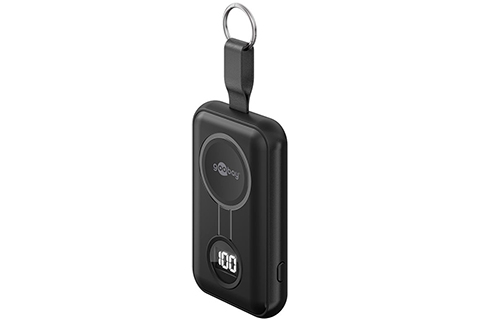



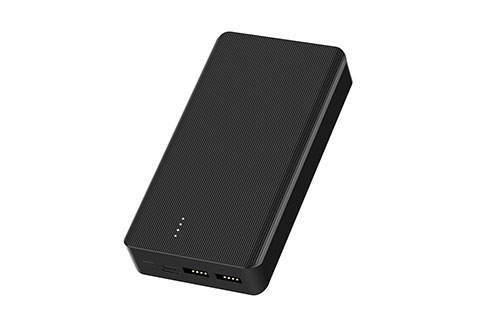
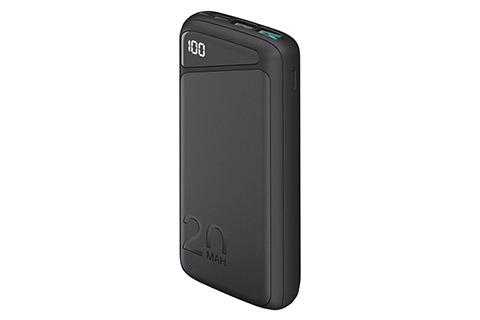


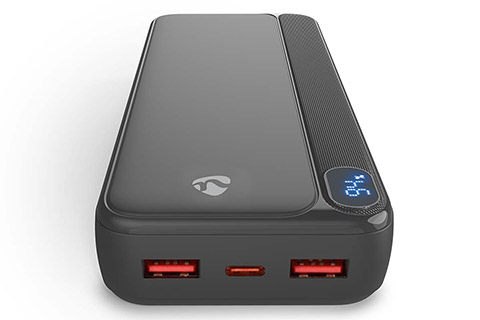
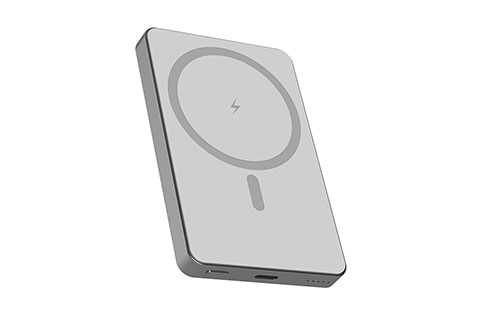
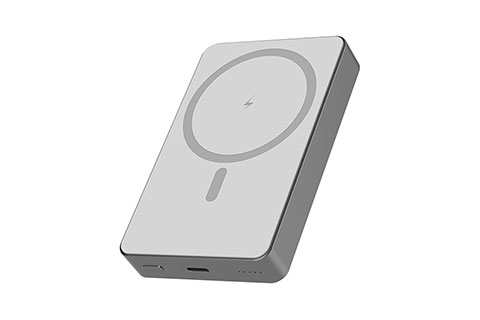
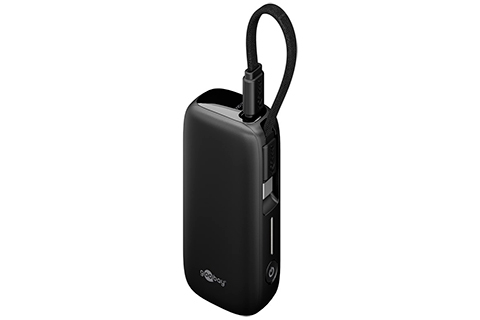
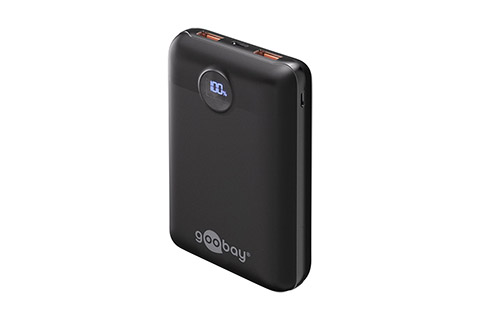
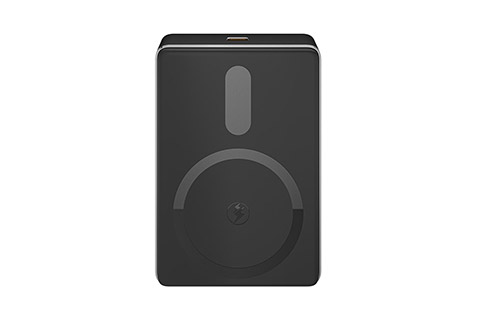
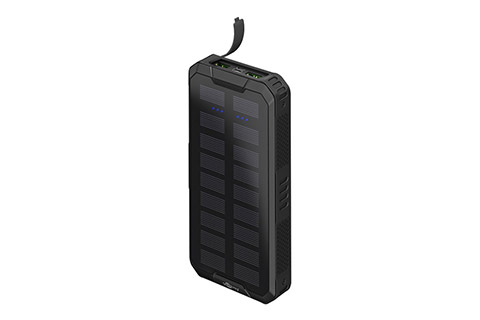
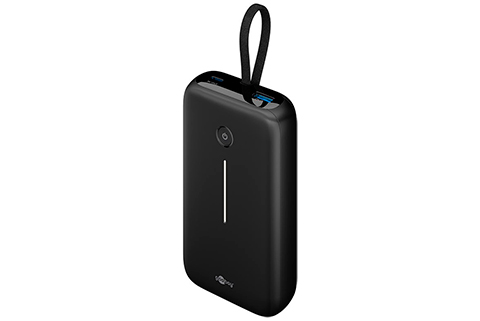
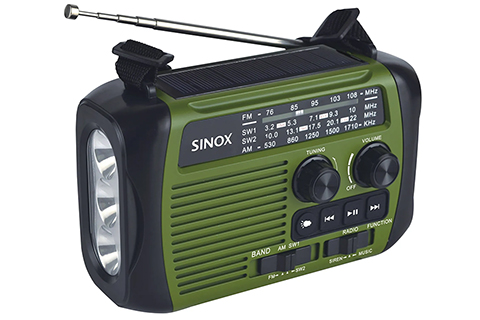


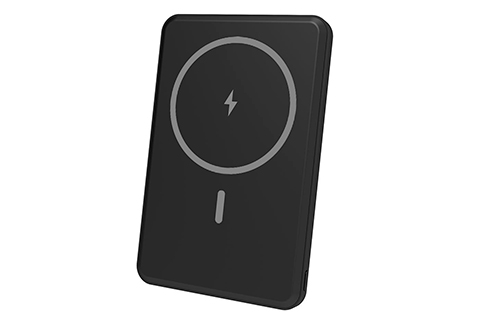

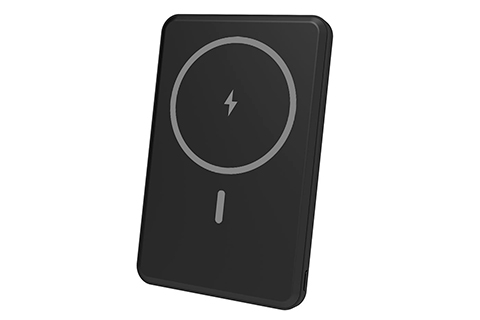
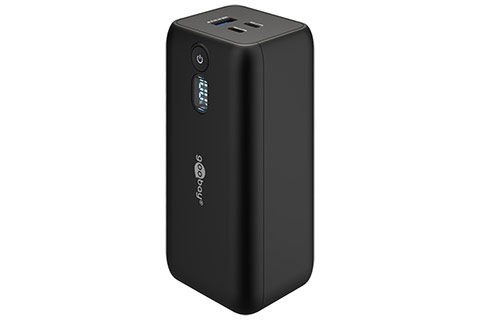

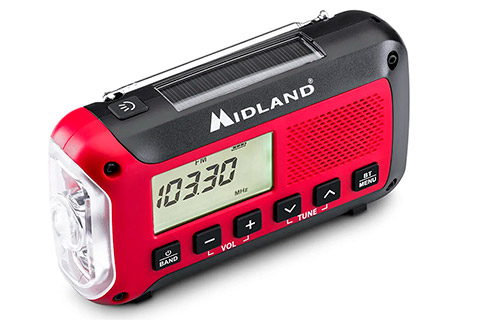
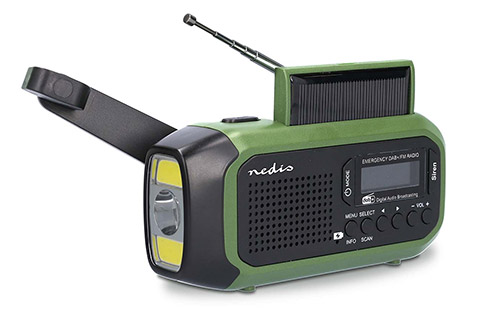

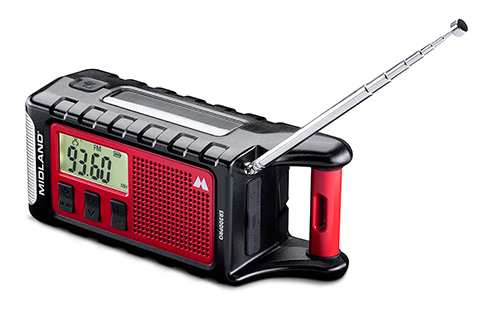

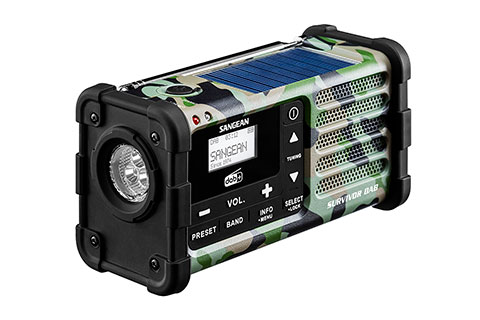
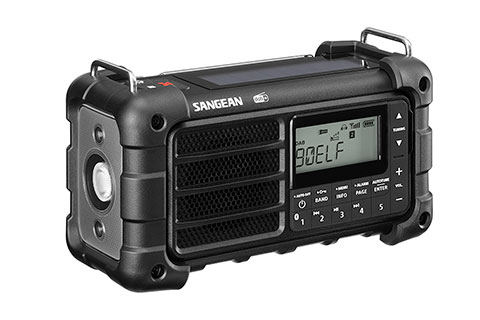
The powerbank is charged completely like a regular phone, but due to the often significantly larger battery capacity, it can in many cases charge phones many times on a powerbank charge. The powerbank can then hold the power for a longer time, so you can charge your phone or similar. continuously. It can also be useful in the event of a power outage for longer periods, as a small part of an emergency / home emergency, such as Power stations or UPS are suitable, as they have backup capacity and often also with 230V power output.
Which model should you choose and how much is the capacity?
It is of course a given that batteries always weigh something, and therefore the rule of thumb is that, the larger the capacity (mAh / mWh), the heavier the power bank - and of course more charging or application options. Large models with high capacity can in principle also be used for 230V household appliances, but be aware of the power capacity so that you do not empty it immediately.Power consumption / power consumption is most often measured in kilo Watt Hours (kWh), as this is the unit that is billed from the electricity companies. But with battery solutions (powerbanks / stations) it is usually stated with a different and lower unit, since the capacity is more limited than on the mains, namely milli Ampere hours (mAh) or just Ampere hours (Ah), since the voltage can vary on USB connections from 5 to 48 Volts with USB fast-charging, unlike the socket, which has a fixed 230 Volt or car batteries of 12V. You can of course convert from Ampere hours to Watt hours via Ohm's law, when you know the voltage that is being charged.
Why choose a powerbank - think about needs and weight
The weight is a factor worth considering when traveling or simply always having it in your pocket. Therefore, choose the powerbank that best suits your needs - or buy 2 different ones, e.g. whether your normal consumption pattern is few or many charges in a day (or have several devices that need to be charged). Another advantage may be that the plugs are located at the end of the Powerbank, if it is to be placed in a pocket. For home emergency use, a larger power station is recommended, so that it can withstand many charges or other emergency power consumption.- In addition, there are of course both design and quality differences on the models, just contact us for advice and guidance.
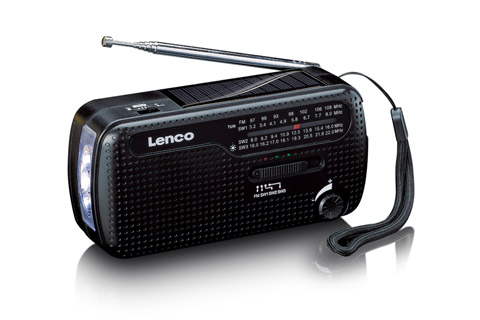
NOTE: The solar cell or hand crank function in power banks is intended as supplemental / maintenance charging of the battery. The power bank can NOT be charged exclusively via the sun, and therefore requires a connection to an outlet for basic charging if you want to take full advantage of the power bank. Maximum current via solar cells is typically only around 200 mA in optimal light conditions and strong sun, due to the relatively small solar panels.