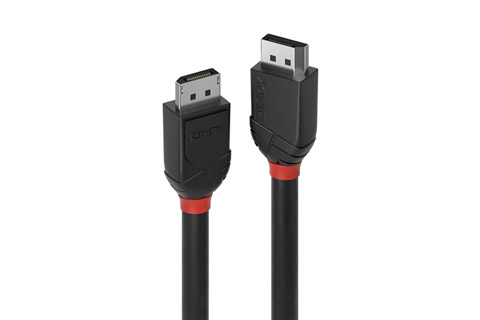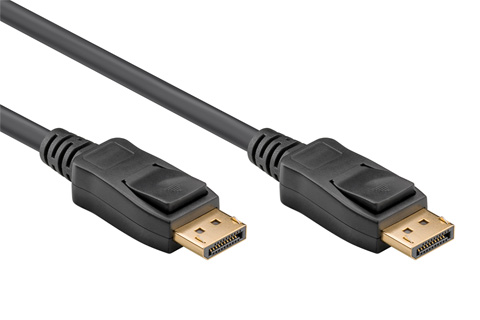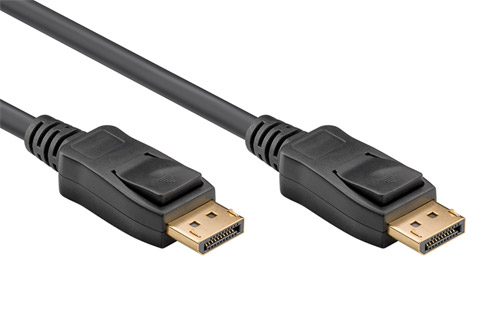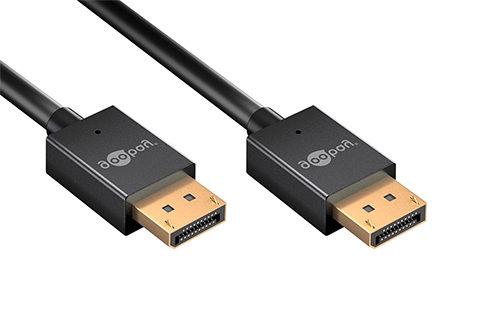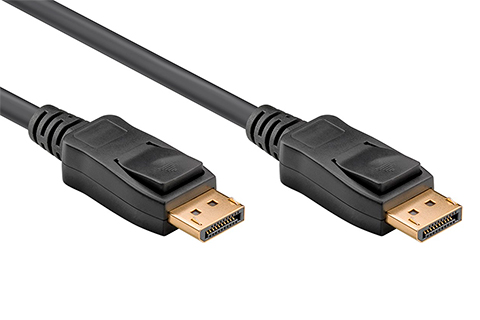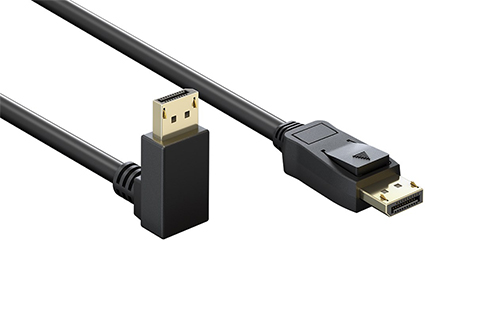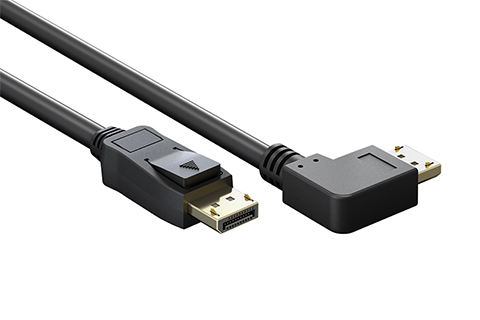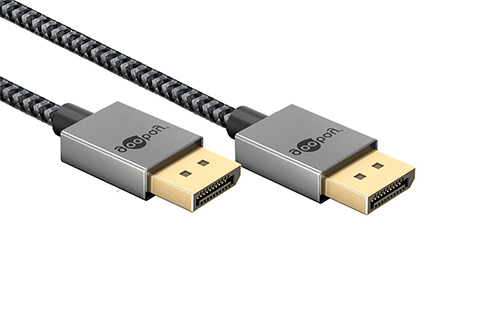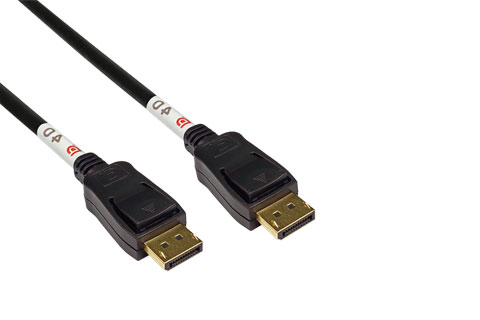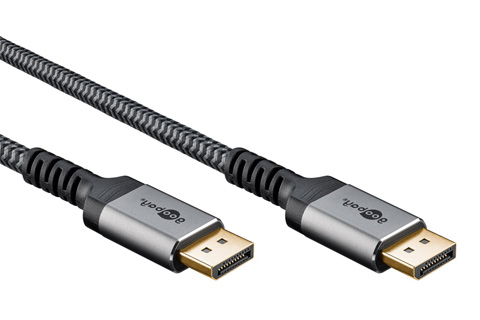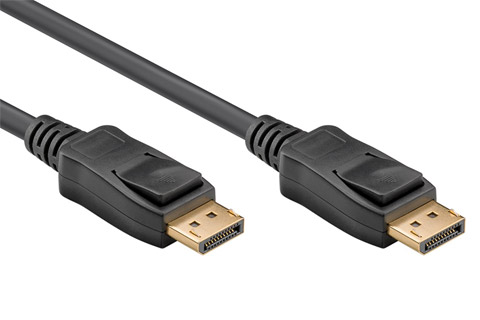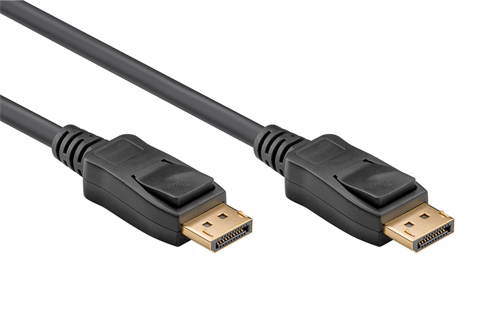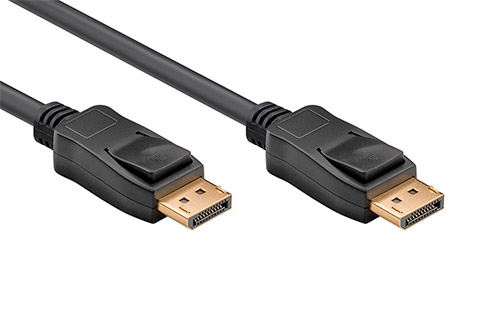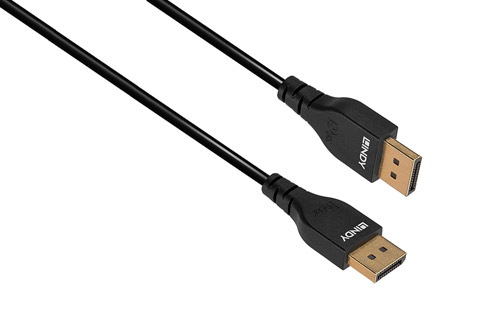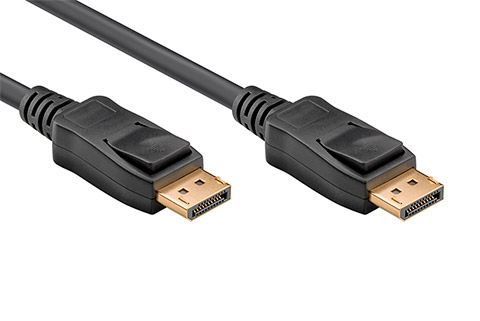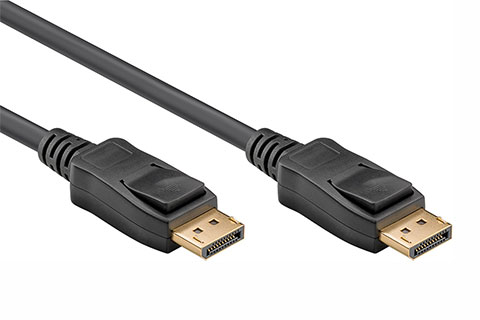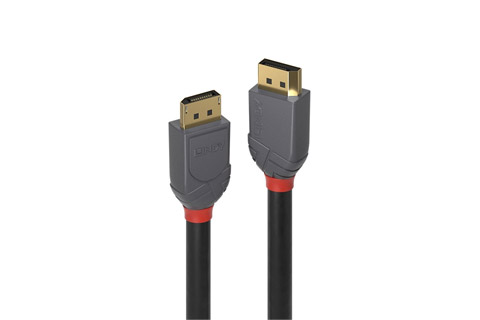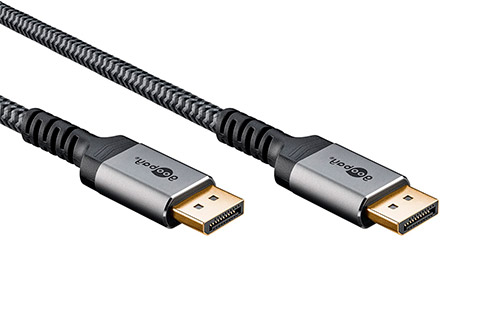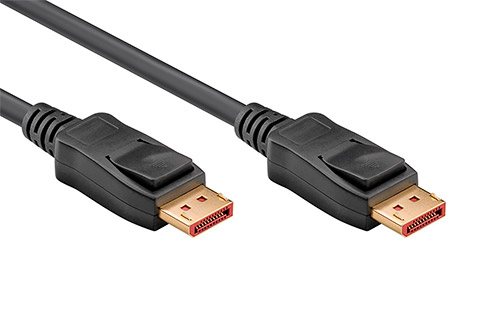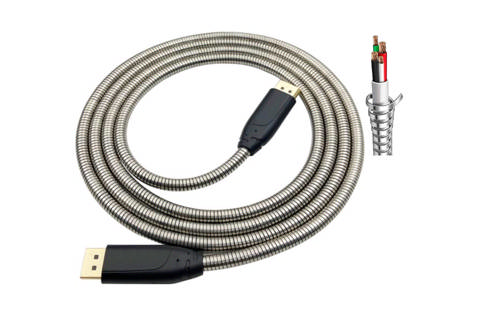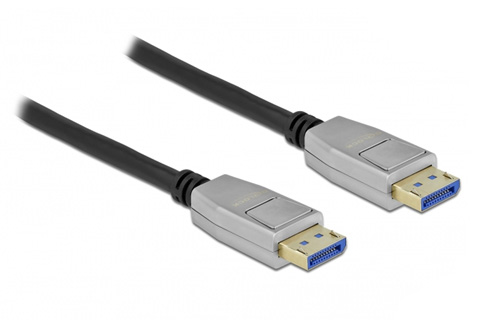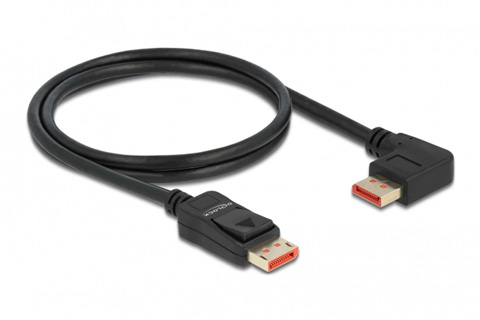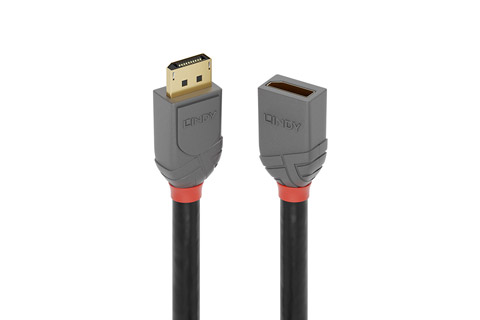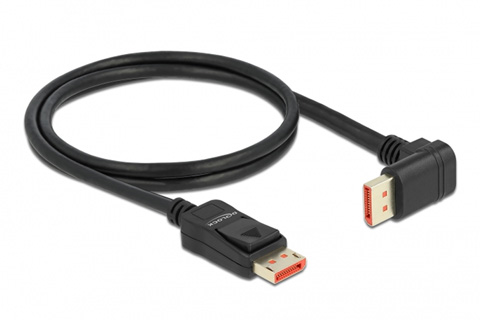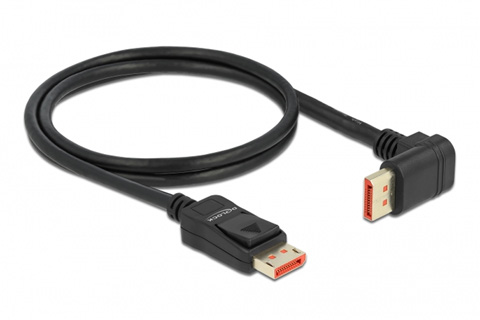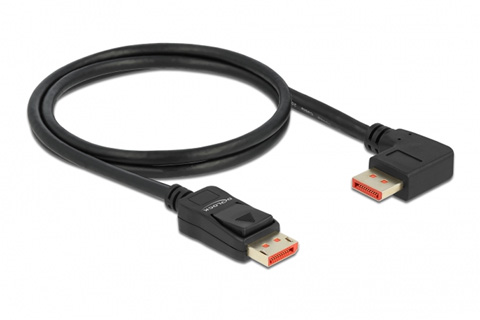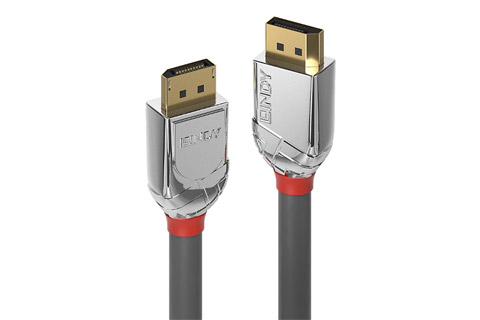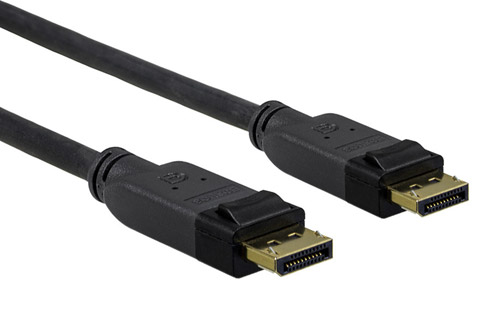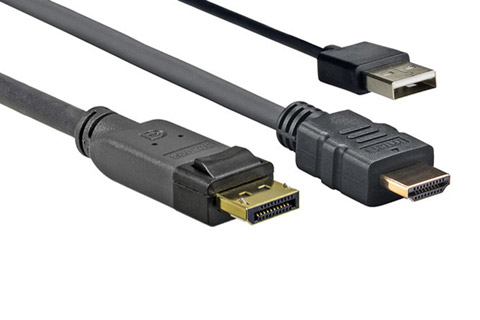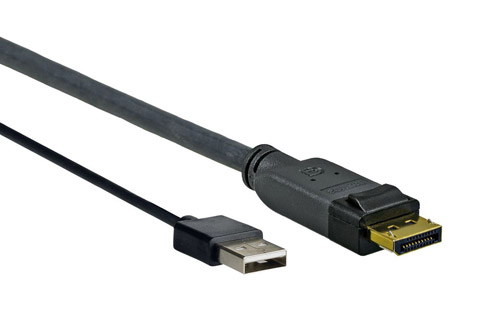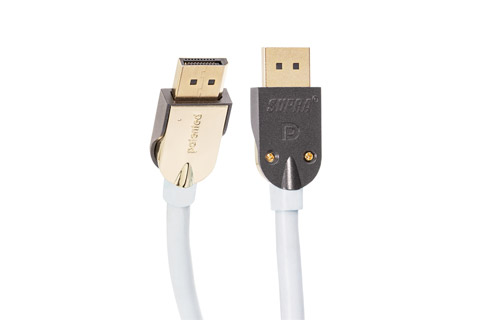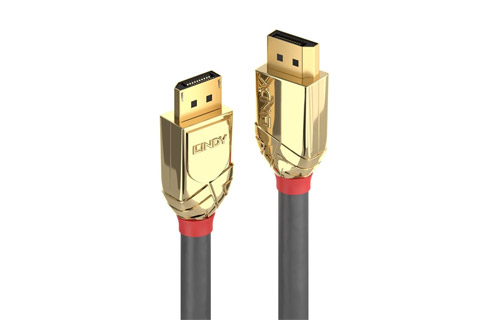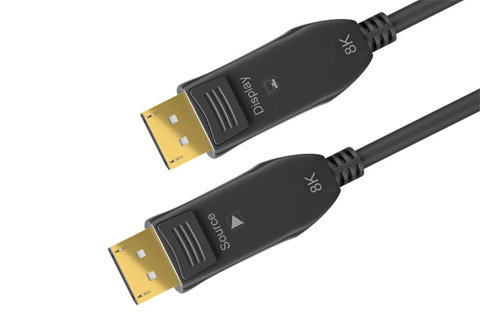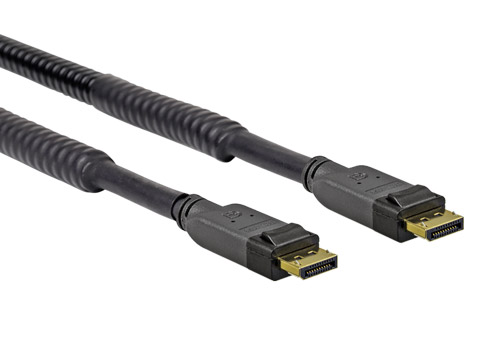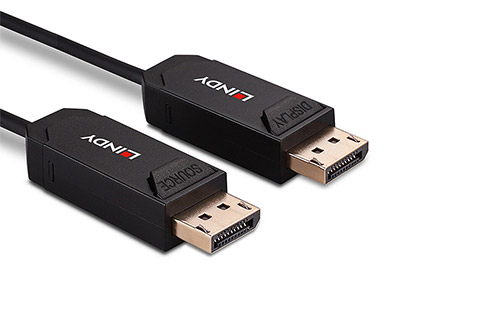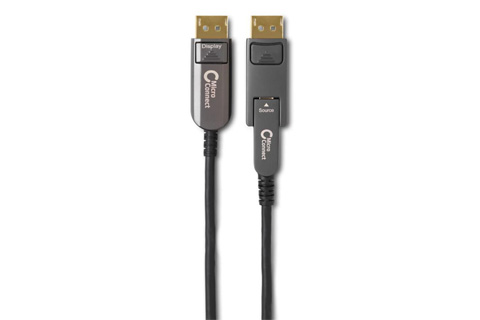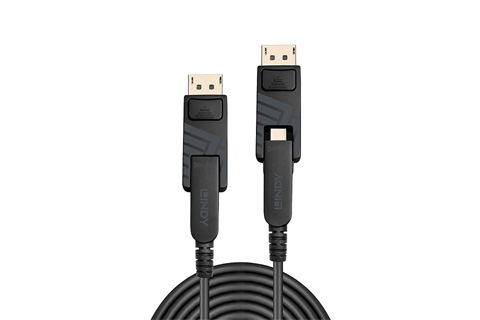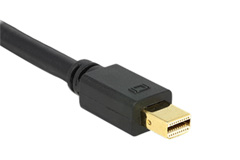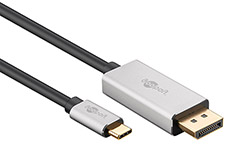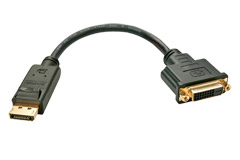



Do you experience problems connecting your computer to a TV screen, monitor or projector, or do you encounter unstable connections and image dropouts, the cause is often the selected cable solution. DisplayPort is a digital cable standard developed specifically for the computer industry and professional display solutions, where high demands are placed on resolution, color accuracy and signal stability. With a DisplayPort cable you can transfer both video and audio in high quality from a PC, laptop, graphics card or docking station to an external display. DisplayPort cables are especially used for PC monitors, workstations and gaming setups, where sharp images without interference and maximum utilization of the display performance are required.


DisplayPort may appear similar to HDMI and USB, but the underlying technology is designed with computer based solutions in mind. DisplayPort supports very high resolutions and refresh rates and can, depending on version, handle 4K, 5K and up to 8K resolution. A major advantage of DisplayPort is the ability to connect multiple displays through a single DisplayPort connection, making the technology particularly attractive for office environments, multi monitor workstations and professional AV installations. DisplayPort is widely used today for PC monitors, graphic workstations, video editing and gaming, where stable signal transmission and high image quality are essential.
DisplayPort has continuously evolved to handle larger data volumes, higher resolutions and more advanced display setups. The different DisplayPort versions each have their own strengths, and choosing the right cable should always be based on your equipment and requirements.
DisplayPort 1.0 and 1.1 Are early versions of the standard and are mainly used in older PC and monitor setups with limited demands for resolution and bandwidth.
DisplayPort 1.2 Is a widely used standard that supports 4K resolution at 60 Hz and enables multiple displays through a single DisplayPort connection.
DisplayPort 1.2a Introduces adaptive sync technology, used in many gaming monitors to ensure smoother motion and better synchronization between graphics card and display.
DisplayPort 1.3 Significantly increases bandwidth and enables support for 5K displays or two 4K displays simultaneously, making it suitable for demanding workstations.
DisplayPort 1.4 and 1.4a Build on version 1.3 and add Display Stream Compression, allowing 8K resolution at 60 Hz and improved HDR support on compatible equipment.
DisplayPort 2.0 Is developed for extremely demanding display solutions with very high bandwidth, making it suitable for 8K displays, high refresh rates and professional multi monitor installations.
DisplayPort 2.1Is the latest version of the DisplayPort standard and builds on DisplayPort 2.0 with a focus on maximum performance. With up to 80 Gbit per second bandwidth, DisplayPort 2.1 is ideal for 8K displays, very high refresh rates and advanced multi monitor setups. The standard is primarily used for high end graphics cards, workstations and professional AV installations and is backward compatible with earlier DisplayPort versions.
DisplayPort is generally backward compatible, meaning newer DisplayPort cables can often be used with older devices, with performance limited by the oldest standard in the connection.
DisplayPort is primarily used in the computer world, while HDMI is most often used for AV equipment such as TVs and home cinema systems. Although the standards are similar, they are not identical, and special
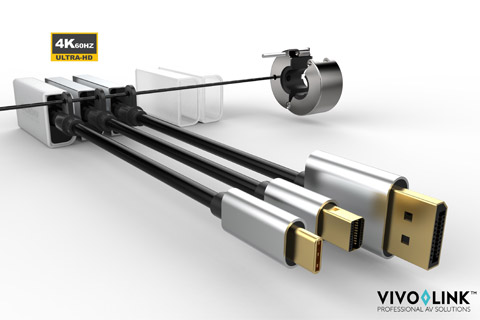
adapter cables are required to connect HDMI and DisplayPort equipment. This is especially relevant when connecting a laptop to a TV, projector or external monitor with a different connector type. With the right DisplayPort cables and adapters you ensure compatibility, stable operation and optimal image quality in your setup.
At AV-Connection you will find one of the market’s most comprehensive selections of high quality DisplayPort cables, all in one place. Whether you are looking for a DisplayPort cable for office use, gaming, graphic work or professional AV installation, there is a solution that matches your needs. With a focus on compatibility, reliability and future readiness, DisplayPort cables are a safe choice for ensuring optimal connections between computer, screen, monitor and projector.