

 HIFI STEREO

























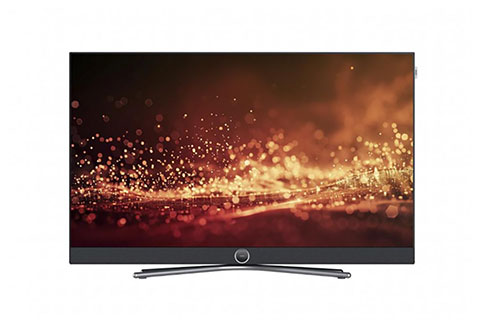

What is LED TV?
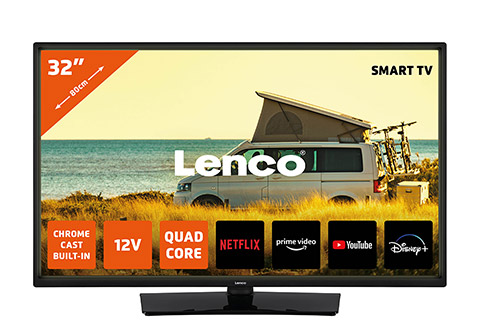
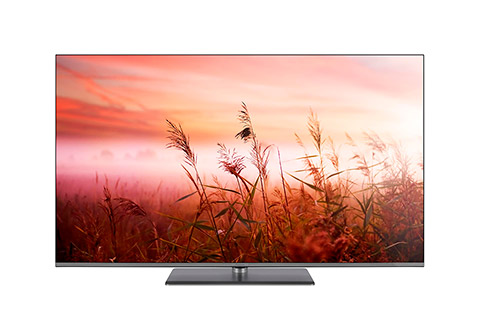
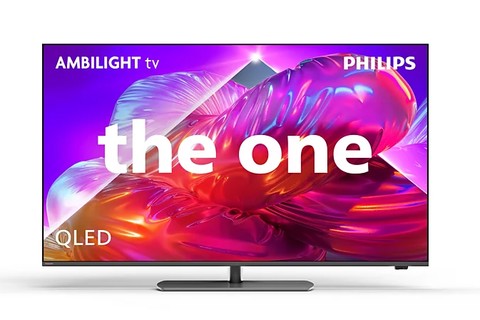
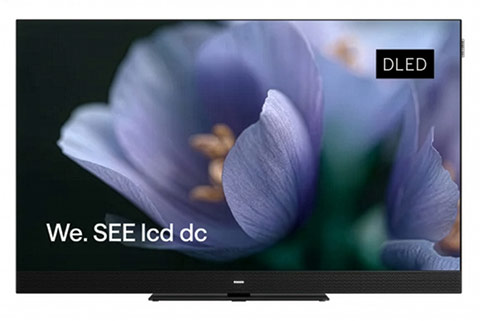
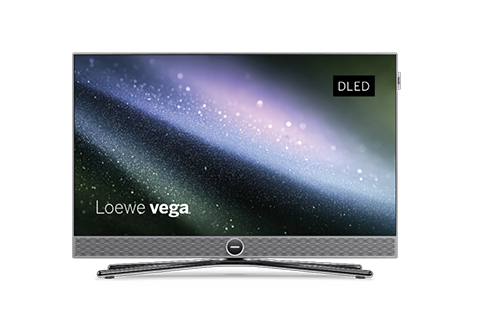
LED stands for Light Emitting Diode and is an evolution of classic LCD TVs. This technology makes screens more energy-efficient and enhances the viewing experience. An LED TV works by having diodes placed behind or on the side of the screen, sending light through the LCD panel. The pixels themselves do not emit light but reflect it, resulting in high brightness and natural colors. This means that even in bright environments, LED TVs deliver a sharp and vibrant picture.For many years, LED has been the most widespread technology in flat screens, known for reliability, long lifespan, and low power consumption.
Advantages of LED TV
• Energy-efficient technology• High brightness suitable for all rooms
• Natural colors and sharp image quality
• Thinner and lighter design than older screen types
• Durable and reliable solution
What is MiniLED TV?
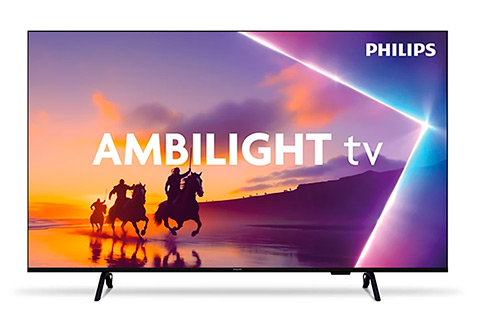
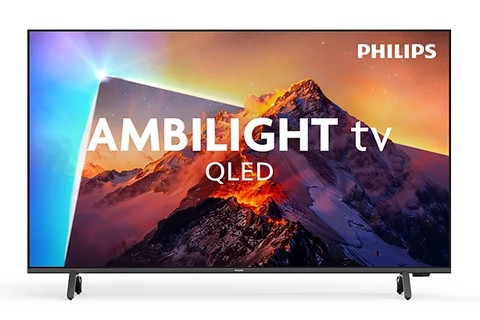
MiniLED is a newer and more advanced way of backlighting an LCD screen. The difference lies in the size of the diodes used. MiniLEDs are much smaller than traditional LEDs, making it possible to place far more of them behind the LCD panel. More diodes mean more precise control of the backlighting. The result is a brighter image, deeper blacks, and significantly improved contrast.Premium MiniLED models come with thousands of dimming zones, also called local dimming, delivering an experience very close to OLED TVs. This technology makes it possible to show sharp details in dark scenes without compromising bright highlights.
Advantages of MiniLED TV
• Improved contrast and deeper blacks• Brighter images and more accurate colors
• Many local dimming zones for superior quality
• Perfect for movies, sports, and gaming
• A strong alternative to OLED with higher brightness
MiniLED in practice
MiniLED is not an entirely new display technology but rather a refinement of LED. By making the diodes smaller and placing more of them in the panel, much more precise image control is achieved. This is a major advantage for both everyday viewers and professionals who demand accurate color reproduction.Designers, photographers, and graphic artists benefit from MiniLED thanks to its sharper contrasts and color accuracy compared to regular LED TVs. At the same time, the high brightness makes MiniLED ideal for bright rooms where OLED can struggle.
What is the difference between LED and MiniLED?
Many ask what the difference really is between LED and MiniLED. The biggest difference is the number and size of the diodes behind the LCD panel.• LED TVs use fewer and larger diodes for backlighting
• MiniLED TVs use thousands of smaller diodes, providing more dimming zones and more precise light control
In short: MiniLED is an improved version of LED that delivers an even better viewing experience without sacrificing brightness or colors.
Which TV should you choose?
The choice between LED and MiniLED depends on your needs. If you want a solid TV with good image quality and low power consumption, LED is an excellent choice. If you want sharper contrasts, deeper blacks, and an experience closer to OLED, MiniLED is the obvious option.MiniLED is especially popular among those who watch a lot of movies, series, or play games where light and dark play a big role in the image quality. For those who simply want a good TV for everyday use, LED remains a safe and affordable solution.
Frequently asked questions about LED and MiniLED
• Is MiniLED better than LED?Yes, MiniLED offers better contrast, more accurate colors, and deeper blacks.
• Is MiniLED the same as OLED?
No, MiniLED is still an LCD screen with advanced LED backlighting, while OLED uses self-emitting pixels.
• Which TV lasts the longest?
Both LED and MiniLED are highly durable and known for their long lifespan.
• Is MiniLED good for gaming?
Yes, the high brightness and precise contrasts make MiniLED excellent for gaming.